
Acupuncture for Anxiety and Stress: What to Expect From Treatment

When stress starts affecting your sleep, concentration, energy, or ability to feel settled, it can become more than something you simply “push through.” For some people, anxiety also shows up physically, as muscle tension, headaches, restlessness, difficulty sleeping, or a constant feeling of being on edge.
If you're considering acupuncture for anxiety, you may be wondering a few practical things: Does it actually help? What happens during treatment? How many sessions might you need? And can acupuncture be used alongside the care you're already receiving?
This guide looks at what current research says, what to expect from acupuncture treatment, and how to approach complementary care in the Canadian healthcare context.
Can Acupuncture Help With Anxiety and Stress?
Research suggests acupuncture may reduce anxiety symptoms for some people, but the evidence is still developing and does not establish acupuncture as a replacement for established anxiety treatment.
A 2022 systematic review and meta-analysis examined 27 randomized controlled trials involving 1,782 people with generalized anxiety disorder (GAD). The researchers found improvements in anxiety symptoms among people receiving acupuncture compared with control groups, while also noting the need for larger, higher-quality trials.
More recent research continues to investigate the potential role of acupuncture for anxiety, but differences in study design, treatment protocols, acupuncture points, and comparison groups make it difficult to establish one standard approach or predictable result for everyone.
That distinction matters.
Feeling stressed because of a difficult period in your life is not necessarily the same as having an anxiety disorder. In Canada, anxiety disorders are recognized as conditions that can involve persistent symptoms that interfere with everyday life. The Government of Canada recommends professional care for people experiencing mood and anxiety disorders.
Acupuncture may be considered as complementary care, depending on your individual situation.
How Might Acupuncture Help With Anxiety and Stress?
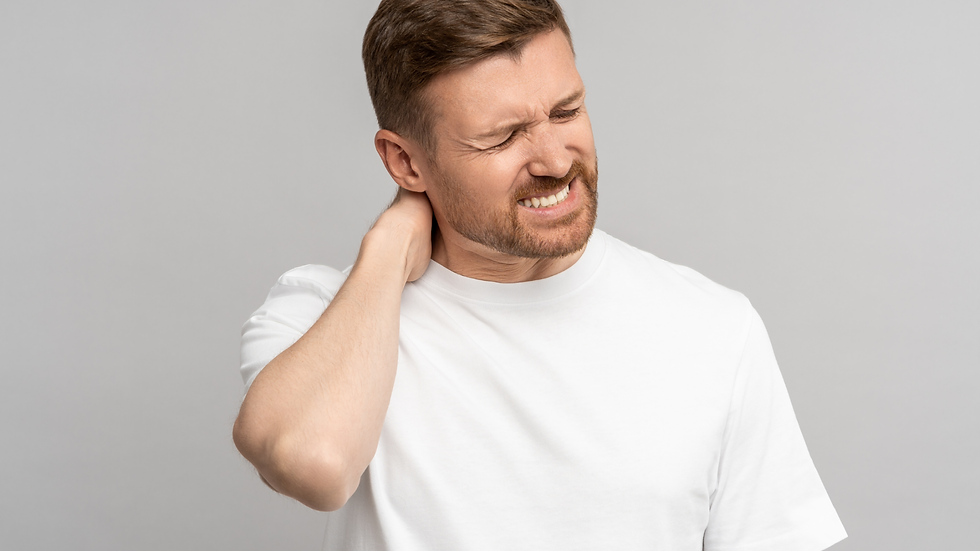
Anxiety can affect both the mind and the body. You might notice a tight jaw, tense shoulders, headaches, digestive discomfort, poor sleep, restlessness, or difficulty relaxing.
Researchers are continuing to investigate how acupuncture may influence anxiety symptoms and related physiological processes. However, there isn't one established mechanism that explains why every person responds differently.
This is one reason a good acupuncture assessment should look at your symptoms and overall health rather than treating “anxiety” as a one-size-fits-all problem.
It is also worth remembering that acupuncture isn't intended to diagnose an anxiety disorder. If symptoms are persistent or interfering with your daily life, assessment by an appropriate healthcare professional may be important.
What Happens During Acupuncture for Anxiety?

Your first acupuncture appointment should start with a conversation.
Your practitioner may ask about your symptoms, health history, medications, current concerns, sleep, lifestyle, and treatment goals. This information helps determine whether acupuncture is appropriate and how your treatment should be approached.
During an acupuncture session, very thin needles are inserted into selected acupuncture points. Point selection can vary between people and depends on the practitioner's assessment and treatment approach.
If you're nervous about needles, you may also be wondering, “Does acupuncture hurt?” Modern Healing guide for first-time patients explains what acupuncture feels like and what you can expect during a session.
Many people experience little discomfort, although you may notice a brief pinch, pressure, warmth, heaviness, or a dull sensation. Mild soreness or bruising can occur afterward.
The treatment itself also gives you a period away from work, screens, errands, and other daily demands. For some people, that quiet time becomes part of their broader stress-management routine.
How Many Acupuncture Sessions Do You Need for Anxiety?
There is no universal number of acupuncture sessions for anxiety.
The appropriate frequency can depend on factors such as your symptoms, how long you've experienced them, your overall health, treatment goals, and how you respond.
Research studies use different treatment schedules, which makes it difficult to recommend one fixed number of sessions for everyone.
Rather than promising that a specific number of appointments will resolve anxiety, a responsible treatment plan should allow for ongoing assessment and adjustment.
Is Acupuncture Safe?
Acupuncture can be safe when performed by a properly trained and registered practitioner using appropriate infection-control practices. Like any healthcare procedure, however, it is not completely risk-free.
Minor effects can include soreness, bruising, light bleeding, dizziness, or temporary discomfort. Serious complications are uncommon but can occur, particularly when acupuncture is performed improperly or without appropriate hygiene practices.
If you are pregnant, take prescription medications, have a significant medical condition, or are receiving treatment for an anxiety disorder, tell your practitioner before beginning acupuncture.
Can Acupuncture Be Used With Therapy or Medication?
Acupuncture can be considered alongside other forms of anxiety care rather than automatically replacing them.
This distinction is particularly important if you've already been diagnosed with an anxiety disorder or are taking medication.
CAMH identifies psychotherapy and pharmacotherapy as established treatment options for anxiety disorders, with treatment decisions depending on factors such as the type, severity, and circumstances of the anxiety disorder.
That doesn't mean you cannot explore complementary care. It means acupuncture should be considered as part of the bigger picture.
If you're taking medication, don't stop, reduce, or change your prescription because you've started acupuncture. Speak with the healthcare professional managing your medication before making changes.
How to Choose an Acupuncture Clinic for Anxiety in Waterloo
When comparing an acupuncturist in Waterloo, look beyond claims that acupuncture can “cure” anxiety.
Consider whether the clinic:
Uses a clear health history and symptom assessment.
Has appropriately registered practitioners.
Uses sterile, single-use needles.
Takes your existing healthcare and medications into account.
Explains what acupuncture can and cannot reasonably do.
Reassesses your response instead of promising a predetermined outcome.
Provides clear information about practitioner qualifications and treatment methods.
For a local patient, the clinic environment matters too. Look for a setting where you feel comfortable asking questions and discussing your concerns openly.
Frequently Asked Questions About Acupuncture for Anxiety
Does acupuncture really help anxiety?
Research suggests acupuncture may reduce anxiety symptoms, including symptoms associated with generalized anxiety disorder, but the evidence is still developing. Studies have produced promising findings while also highlighting methodological limitations and the need for further high-quality research.
What acupuncture points are used for anxiety?
There is no single set of acupuncture points for anxiety that is used for every patient. Point selection can vary according to the individual's symptoms, health history, assessment, and the practitioner's treatment approach.
How quickly does acupuncture work for anxiety?
There is no reliable timeline that applies to everyone. Some people notice changes in how they feel after treatment, while others may need several sessions—or may not experience meaningful improvement.
A practitioner should avoid promising a specific outcome or timeframe.
Can acupuncture replace anxiety medication or therapy?
No treatment should be assumed to replace appropriate professional care. CAMH identifies psychotherapy and medication as established treatment options for anxiety disorders.
Acupuncture may be explored as complementary care, depending on your circumstances. Speak with your healthcare provider before changing an existing treatment plan.
Does acupuncture hurt?
Acupuncture needles are very thin, and many people experience little discomfort. You may feel a brief pinch, pressure, warmth, or heaviness during treatment. Mild soreness or bruising can occur afterward.
Considering Acupuncture for Anxiety in Waterloo?
If ongoing stress or anxiety is affecting your sleep, concentration, physical comfort, or everyday life, you don't have to make your decision based on promises alone.
Modern Healing provides acupuncture care in Waterloo, Ontario, giving local patients an opportunity to discuss their concerns, understand what treatment involves, and determine whether acupuncture is an appropriate complementary option for their individual needs.


Comments