
Acupuncture vs Dry Needling: Key Differences and Which One You Need
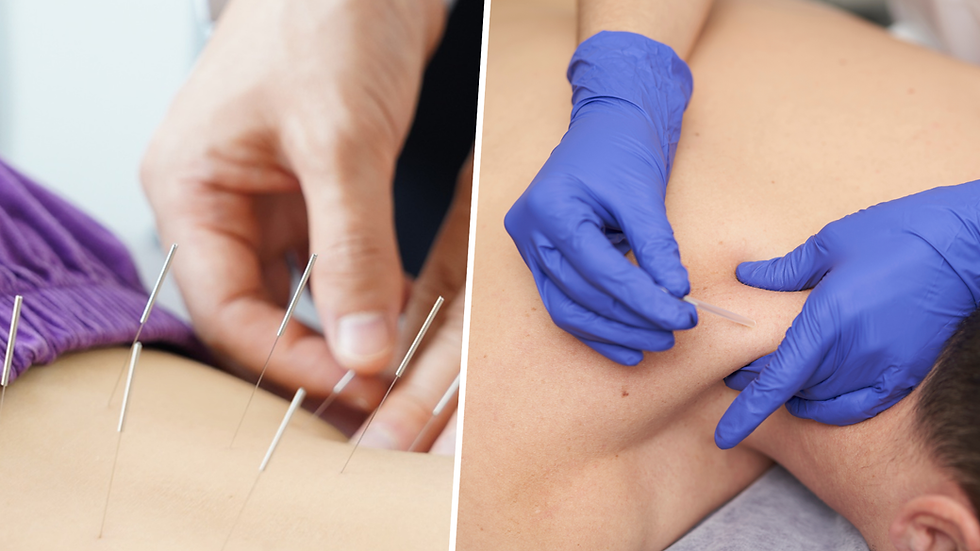
If you're comparing acupuncture vs. dry needling, the key difference is that both treatments use thin needles to reduce pain and improve function, but they are based on different treatment approaches. Acupuncture focuses on whole-body healing and nervous system regulation, while dry needling targets tight muscles and trigger points to improve movement and relieve localized pain. The best option depends on your symptoms, treatment goals, and underlying condition.
Many patients searching for pain relief, muscle tension reduction, or recovery from injury are surprised to learn that acupuncture and dry needling are not competing treatments. In many cases, they can complement one another. At Modern Healing, treatment recommendations are based on your symptoms, goals, and clinical assessment rather than a one-size-fits-all approach.
Whether you're dealing with chronic neck pain, recurring muscle tightness, stress-related tension, or sports-related discomfort, understanding the differences between these treatments can help you make an informed decision.
What Is Acupuncture?
Acupuncture has been used for thousands of years and continues to be widely utilized alongside modern healthcare approaches. Today, many clinics combine traditional principles with evidence-informed techniques to support pain management and recovery.
Acupuncture involves inserting thin, sterile needles into specific points on the body to stimulate healing responses and regulate the nervous system.
Acupuncture may help with:
Headaches and migraines
Stress and anxiety
Muscle tension
Joint discomfort
Recovery from physical strain
Sleep disturbances
Research suggests acupuncture may help stimulate natural pain-relieving chemicals, improve circulation, and influence nervous system activity.
For patients exploring acupuncture in Waterloo, treatment often extends beyond symptom management and focuses on supporting overall wellness and recovery.
What Is Dry Needling?
Dry needling is a modern treatment technique grounded in anatomy, biomechanics, and pain science. It is commonly used by healthcare professionals to address musculoskeletal dysfunction and movement limitations.
Dry needling targets specific trigger points within muscles.
A trigger point is
A tight muscle knot
A sensitive area within muscle tissue
A source of referred pain
A contributor to restricted movement
Dry needling aims to
Release muscle tension
Improve range of motion
Reduce localized pain
Restore muscle function
Support rehabilitation programs
Patients experiencing sports injuries, repetitive strain, or persistent muscle tightness may benefit from dry needling as part of a broader treatment plan.
What Are the Main Differences Between Acupuncture and Dry Needling?
Although both treatments use similar needles, the purpose behind the treatment differs significantly.
Feature | Acupuncture | Dry Needling |
Treatment Approach | Whole-body focused | Muscle-focused |
Primary Goal | Support healing and nervous system regulation | Release trigger points |
Treatment Areas | Specific acupuncture points | Tight muscles and trigger points |
Conditions Treated | Pain, stress, sleep, tension, wellness concerns | Muscle pain and movement restrictions |
Perspective | Holistic and evidence-informed | Anatomical and biomechanical |
The biggest distinction is that acupuncture often addresses broader patterns affecting the body, while dry needling focuses on specific muscular dysfunction.
Is Dry Needling the Same as Acupuncture?

This is one of the most common questions patients ask. While the needles may appear identical, the assessment process, treatment strategy, and goals are different.
The similarities include:
Thin sterile needles
Minimal invasiveness
Pain management applications
Improved mobility outcomes
Complementary use with other therapies
The differences involve:
Treatment philosophy
Needling locations
Clinical objectives
Scope of treatment
For many patients, the more important question is not whether the treatments are the same but which one best matches their needs.
Which Treatment Is Better for Neck Pain?
Patients experiencing neck pain often want a straightforward answer. The reality is that the best option depends on the source of the discomfort.
If neck pain is primarily related to:
Muscle knots
Trigger points
Restricted movement
Sports-related strain
Dry needling may be beneficial.
If neck pain is accompanied by:
Stress
Headaches
Chronic tension
Sleep disturbances
Nervous system sensitivity
Acupuncture may provide broader support.
Patients researching acupuncture for neck pain often discover that combining manual therapy, movement strategies, and acupuncture-based care may produce the most comprehensive results.
Which Treatment Hurts More?
Needle-related concerns are completely normal. Fortunately, both treatments generally use extremely thin needles.
Acupuncture often produces sensations such as:
Mild tingling
Warmth
Heaviness
Gentle pressure
Dry needling may create the following:
Muscle twitch responses
Brief cramping sensations
Temporary soreness
Most patients tolerate both treatments very well.
If you're wondering, does acupuncture hurt? Many people describe the experience as far more comfortable than expected.
Can Acupuncture and Dry Needling Be Used Together?
One major advantage of an integrated clinical approach is the ability to combine therapies when appropriate. Rather than viewing acupuncture and dry needling as competing options, they can often address different aspects of the same condition.
Combining treatments may help:
Reduce pain
Improve mobility
Support recovery
Address muscle dysfunction
Regulate the nervous system
Treatment decisions should always be based on a comprehensive assessment and your individual goals.
How Do You Know Which Treatment You Need?

The best treatment is the one that addresses the underlying contributors to your symptoms. A professional assessment helps determine which approach aligns with your condition and recovery goals.
You may benefit from acupuncture if you are experiencing:
Chronic pain
Stress-related tension
Sleep disturbances
Headaches
Whole-body discomfort
You may benefit from dry needling if you are experiencing:
Trigger points
Muscle tightness
Sports injuries
Restricted movement
Repetitive strain issues
In some cases, a combination approach may be recommended.
Key Takeaways
Choosing between acupuncture and dry needling is not always about finding a winner. It's about identifying the treatment approach that best matches your symptoms, goals, and recovery needs.
Remember:
Both treatments use thin needles.
Acupuncture focuses on whole-body healing and regulation.
Dry needling focuses on muscle dysfunction and trigger points.
Both may help reduce pain and improve movement.
Some patients benefit from a combination of both approaches.
If you're looking for personalized guidance, a professional assessment can help determine the most appropriate treatment strategy for your specific concerns.
Frequently Asked Questions
Is dry needling better than acupuncture?
Not necessarily. Each treatment serves a different purpose and may be more suitable depending on the condition being treated.
Can acupuncture and dry needling be performed during the same treatment plan?
Yes. Some patients may benefit from a combination approach depending on their symptoms and goals.
How many sessions will I need?
Treatment frequency varies based on the condition, symptom duration, and individual response.
Is acupuncture covered by insurance in Canada?
Coverage depends on your individual benefits plan. Many extended health plans include acupuncture coverage.
Is dry needling safe?
When performed by trained healthcare professionals, dry needling is generally considered safe and well-tolerated.
Conclusion
When comparing acupuncture vs. dry needling, the right choice depends on your symptoms, health goals, and the underlying cause of your discomfort. While dry needling focuses on releasing muscle tension and trigger points, acupuncture offers a broader approach to pain relief and overall wellbeing. A personalized assessment can help determine which treatment, or combination of treatments, best supports your recovery.
Find the Right Treatment for Your Pain Relief Goals
Whether you're dealing with chronic pain, muscle tightness, sports injuries, or stress-related tension, choosing the right treatment starts with understanding your unique needs. At Modern Healing, our team takes a personalized approach to care, helping you determine whether acupuncture, dry needling, or a combination of both is the most effective option for your recovery and wellness goals.
Ready to take the next step? Contact Modern Healing today to book your assessment and discover a treatment plan tailored to your needs.


Comments